Fungi science · Research · Safety
Clear, independent information on psychedelic fungi.
Strong Magic Mushrooms is an independent information site. We explain how psilocybin-containing fungi work, why their potency varies so much, and what research says about risks and benefits.
Who we are
Information, not a marketplace
Psilocybin content can vary widely between species, growing conditions and even individual mushrooms — one reason unregulated use carries real risk. We focus on that kind of practical science, alongside clinical research and legal context. We do not sell, recommend or link to any source of mushrooms.
What we cover
Three areas readers ask us about most.
Why potency varies
How species, genetics and growing conditions affect psilocybin content, and why that matters for safety.
Research findings
Summaries of clinical trials and reviews on psilocybin, including limitations and open questions.
Risks and legality
Known risks, interactions and who should avoid psilocybin, plus how laws differ by region.
Latest articles
Energy Honey Packets Near Worcester: Where to Grab Them Before Your Workout
Quick answer Energy honey packets are single-serve squeeze packs of honey, sometimes with added caffeine or other ingredients,…
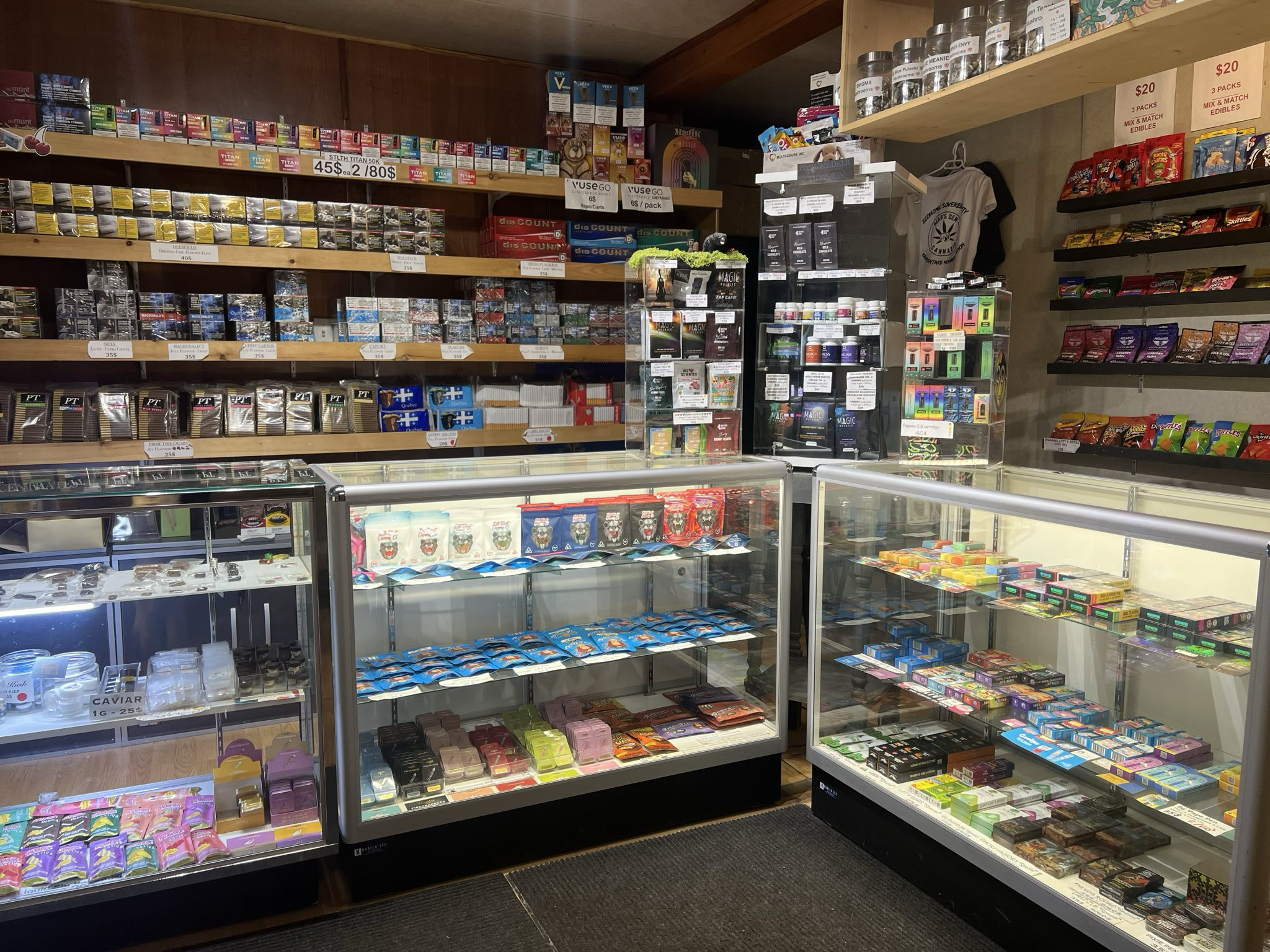
The Best Oka Smoke Shop: Complete 2026 Guide to Cannabis & Psychedelic Products in Kanesatake
Finding the best Oka smoke shop requires knowing where to look for quality products, competitive pricing, and knowledgeable…
Magic Mushroom Shop in Boston: 7 Best Options Ranked for 2026
🍄 Magic Mushroom Shop in Boston — 2026 Quick Answer The best magic mushroom shop in Boston in…
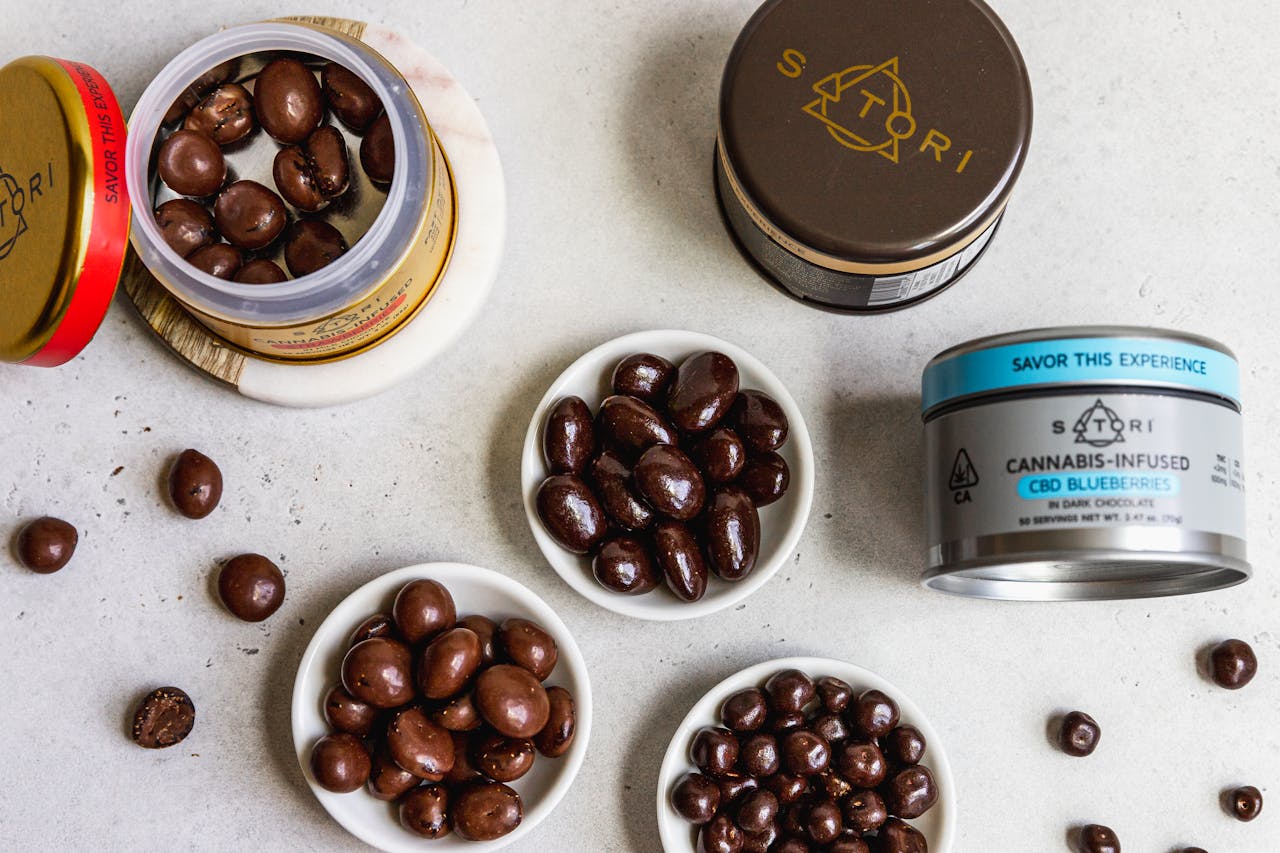
15 Best Magic Mushroom Marketing Companies in 2026: The Complete Guide to Growing Your Psilocybin Business
The psychedelic mushroom industry has reached a pivotal moment in 2026. According to Persistence Market Research, the global…
Browse topics
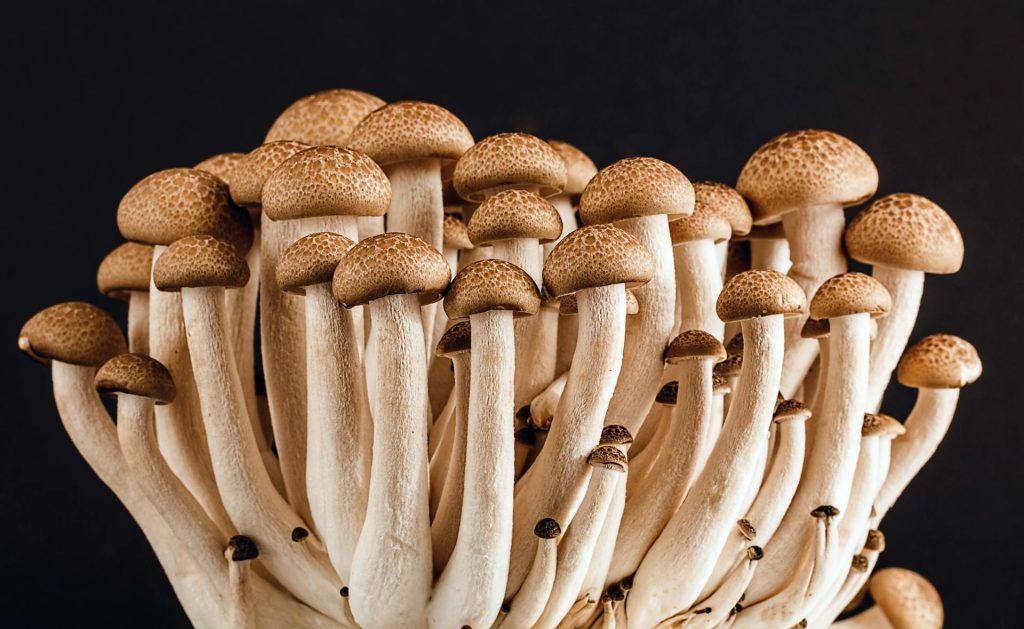
Our principles
Independent and safety-minded
The standards behind every article we publish.
- We do not sell or promote any products
- Every claim is grounded in published research
- Risks are discussed openly and plainly
- No dosing, sourcing or growing instructions
Frequently asked questions
What is Strong Magic Mushrooms?
We are an independent website publishing educational articles about psychedelic fungi, psilocybin research and safety.
Do you sell magic mushrooms?
No. We do not sell, supply or link to sellers of mushrooms or any other substance. Our content is informational only.
Are magic mushrooms legal?
Psilocybin is a controlled substance under US federal law and in most countries. Some places have regulated programs or have decriminalized personal possession, but laws vary widely. Always check the rules where you live.
Read the latest on psychedelic fungi
Browse every article on mushroom science, research and safety.